Your life is your story. No one else gets to write it. No one else gets to define it.
Every choice you make, every risk you take, every dream you chase- it’s yours. People will doubt you, judge you, misunderstand you, but it doesn’t matter. This is your journey, your fight, your legacy. Own it.
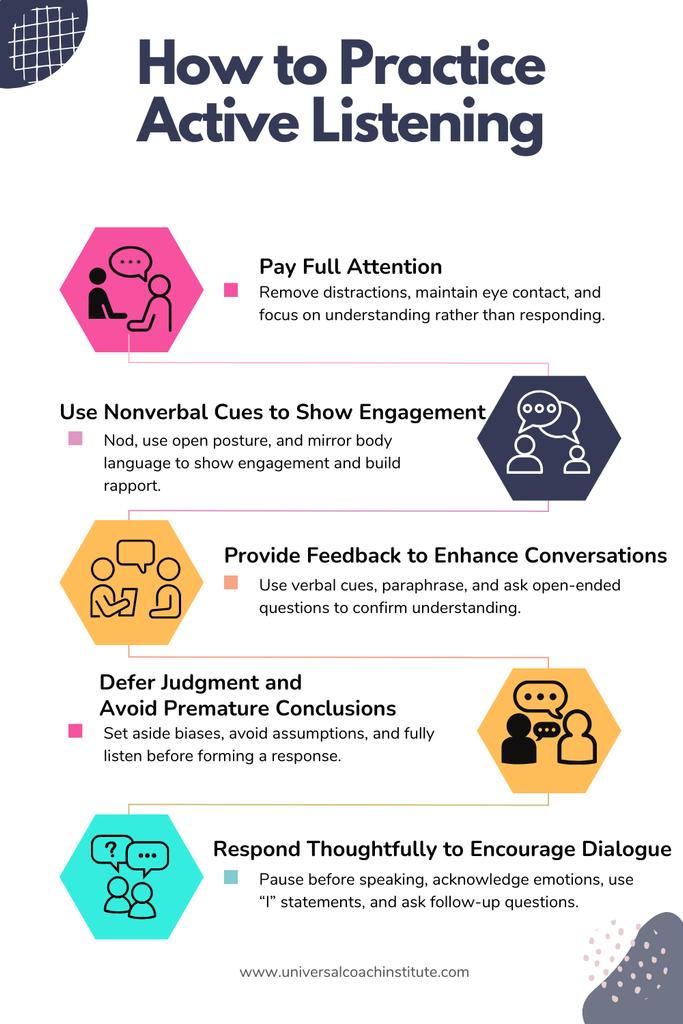
Stephen Covey (in The 7 Habits of Highly Effective People) correctly identified that most people listen “autobiographically” — they evaluate, advise, probe, or interpret from their own perspective instead of truly understanding the other person. He described a better approach (“empathic listening”/reflecting both content + feeling), but he couldn’t fully explain why it works or why people fail at it under pressure.
Douglas Noll explains the missing piece using neuroscience:
Simply naming the other person’s emotion (“You feel frustrated…”) — a technique called affect labelling — calms their nervous system.
It increases activity in the brain’s regulation centres and decreases activity in the threat centre (amygdala).
This creates what Covey called “psychological air” — the person feels heard and can finally think clearly.
Why Most People Still Fail
Even when people know the technique, it collapses the moment the conversation gets tense, because the listener’s own nervous system activates. They start:
Making statements sound like questions
Adding explanations (“because…”)
Jumping to solutions too early
Their attention turns inward to protect themselves instead of staying focused on the other person.
The Real Solution
True empathic listening is not just a technique — it is a trainable neurological skill. Noll has spent 25 years teaching it in high-stakes environments (boardrooms, courtrooms, and maximum-security prisons, where he trained over 3,000 inmates as mediators). The skill can be developed so that staying present and naming emotions becomes automatic, even under pressure.
Bottom Line
Stop relying on classic active-listening scripts. Learn to accurately name emotions and stay silent long enough for the other person’s nervous system to settle. That is what actually de-escalates conflict and opens the door to real conversation.
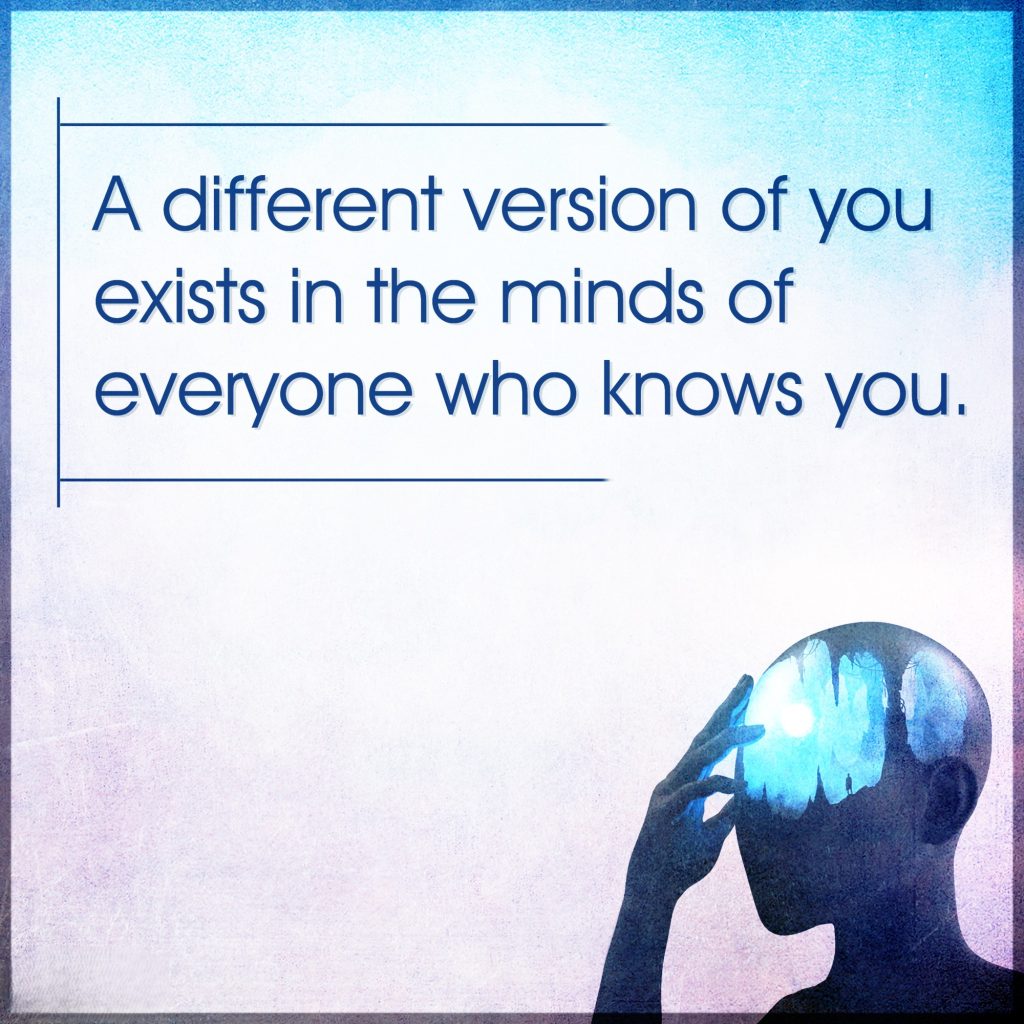
The ironic thing about life is that you are a different person to everyone you meet. To some, you’re quiet. To others, you never stop talking. Some remember you for your kindness, others for the time you walked away. You are a villain in someone’s story, a hero in another’s. And to most, you’re just a passing thought. A name they once knew.
You don’t exist as one person, but as countless versions of yourself, shaped by fleeting moments and personal perceptions. And here’s what’s unsettling. You will never truly know yourself the way others do. You will never hear your own laughter the way someone else does. You will never see the way your absence lingers in a room you used to fill. To yourself, you are just you.
But in reality, you are a thousand different stories, none of which you will ever get to read.
When people are happy, they frequently seek out those they are attracted to, excited about, or want to share joy with (the person they “love” or desire). Happiness is expansive and outward-facing for many.
When people are sad, hurt, or vulnerable, they more often turn to people who feel safe, reliable, and unconditionally supportive (the person who loves them). Comfort, acceptance, and low judgment matter more than excitement in those moments.
This pattern shows up in everyday experience and lines up with basic attachment and emotional-regulation ideas: we seek different things from different relationships depending on our emotional state
Overprotecting a child is not a good idea. You should not overprotect or even protect your kids in an emergency.
No matter what you do, the snake will come to the garden. Instead of trying to keep the damn snakes away, what you do is you arm your child with something that can help them chop the snakes into pieces and make the world out of them.