
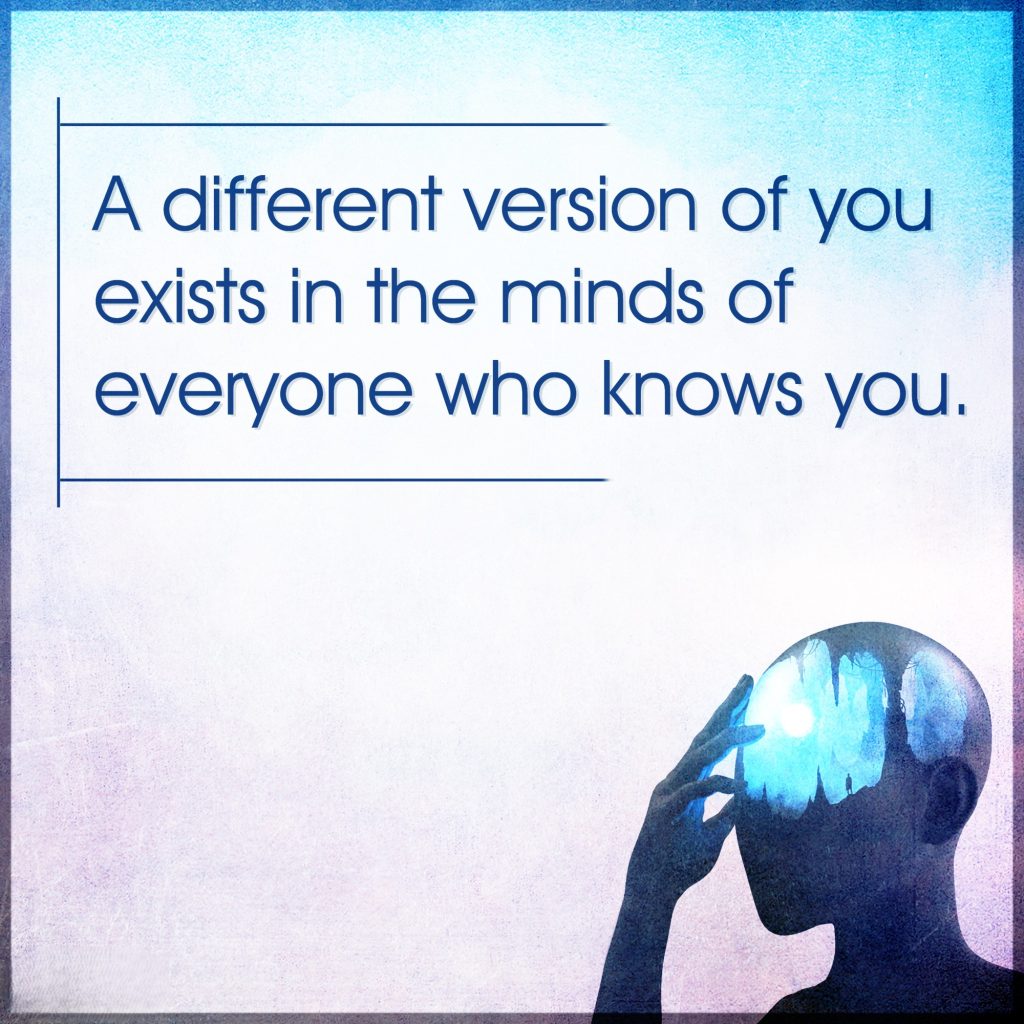
Different Versions of You

The ironic thing about life is that you are a different person to everyone you meet. To some, you’re quiet. To others, you never stop talking. Some remember you for your kindness, others for the time you walked away. You are a villain in someone’s story, a hero in another’s. And to most, you’re just a passing thought. A name they once knew.

You don’t exist as one person, but as countless versions of yourself, shaped by fleeting moments and personal perceptions. And here’s what’s unsettling. You will never truly know yourself the way others do. You will never hear your own laughter the way someone else does. You will never see the way your absence lingers in a room you used to fill. To yourself, you are just you.

But in reality, you are a thousand different stories, none of which you will ever get to read.

Who You Turn To?

When people are happy, they frequently seek out those they are attracted to, excited about, or want to share joy with (the person they “love” or desire). Happiness is expansive and outward-facing for many.

When people are sad, hurt, or vulnerable, they more often turn to people who feel safe, reliable, and unconditionally supportive (the person who loves them). Comfort, acceptance, and low judgment matter more than excitement in those moments.

This pattern shows up in everyday experience and lines up with basic attachment and emotional-regulation ideas: we seek different things from different relationships depending on our emotional state

How to Raise Strong Children

Overprotecting a child is not a good idea. You should not overprotect or even protect your kids in an emergency.

No matter what you do, the snake will come to the garden. Instead of trying to keep the damn snakes away, what you do is you arm your child with something that can help them chop the snakes into pieces and make the world out of them.