
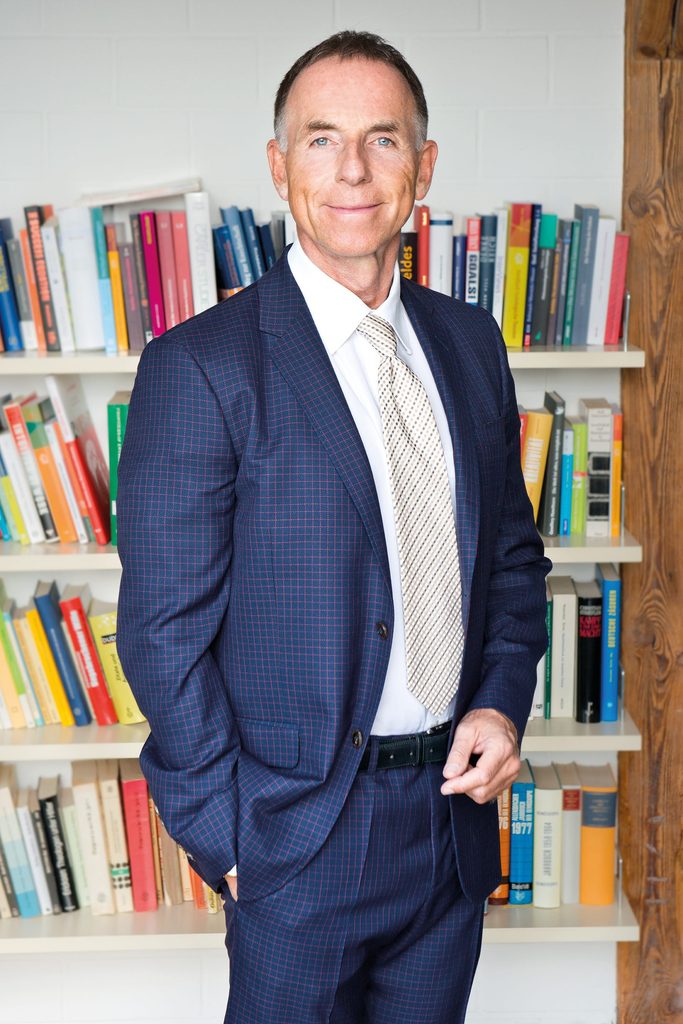
Rainer Zitelmann: The Historian Who Interviewed the Super-Rich
What makes someone extremely wealthy? Is it genius, luck, inheritance—or something deeper in their personality and mindset?
German historian and sociologist Rainer Zitelmann set out to answer that question by doing what few researchers have managed: sitting down for long, candid conversations with dozens of multimillionaires and billionaires.
Who Is Rainer Zitelmann?
Born in 1957, Zitelmann holds two doctorates—one in history (summa cum laude) and another in sociology. He has worked as an academic, newspaper editor, and successful entrepreneur. In 2000 he founded a PR firm focused on the real-estate industry, built it into the market leader, and sold it in 2016. He is also a prolific author whose books have been translated into dozens of languages.
His second doctoral dissertation, published as Psychologie der Superreichen (English title: The Wealth Elite), is his most distinctive contribution.
The Research
Between 2015 and 2016, Zitelmann conducted in-depth interviews with 45 ultra-high-net-worth individuals. Most were self-made. Their net worth typically ranged from €30 million to €1 billion (some higher). Each conversation lasted one to two hours, producing roughly 1,700 pages of transcripts. Nearly all participants also completed a detailed Big Five personality test.
What He Found
Several clear patterns emerged:
- Personality profile: Higher conscientiousness, extraversion, and openness to experience. Lower neuroticism (greater emotional stability) and lower agreeableness (more willingness to engage in conflict).
- Nonconformism: Many described themselves as people who enjoy swimming against the tide and challenging conventional opinion.
- Sales ability: Two-thirds said persuasion skills were decisive for their success; more than one-third attributed 70–100% of their achievements to the ability to sell and convince others.
- Intuition over pure analysis: Gut feeling—built through years of experience—often mattered more than formal academic knowledge.
- Education: No positive link between top school or university grades and extreme wealth. Competitive sports and early entrepreneurial activities were more formative.
- Mindset: Strong internal locus of control. When things went wrong, they tended to blame themselves rather than external circumstances, then adjusted and moved forward.
- Motivation: Freedom and independence ranked higher than luxury for many of them.
In short, the super-rich in Zitelmann’s study were not simply the smartest students or the luckiest heirs. They were resilient, sales-oriented, nonconformist entrepreneurs who took responsibility for both success and failure.
Why It Matters
While books like The Millionaire Next Door focused on everyday millionaires and frugal habits, Zitelmann zoomed in on the extreme upper end—people who built or multiplied fortunes on a much larger scale. His work adds a psychological dimension that pure economic data often misses.
It also challenges common assumptions: academic excellence is not a reliable predictor of extreme wealth, and the ability to persuade others may be more valuable than technical brilliance alone.
Zitelmann continues to write about wealth, capitalism, and public attitudes toward the rich. His research remains one of the rare close-up looks at the mindset of people who have reached the very top of the wealth pyramid.