
August 2026 – Farshad Farahnak. All rights reserved.
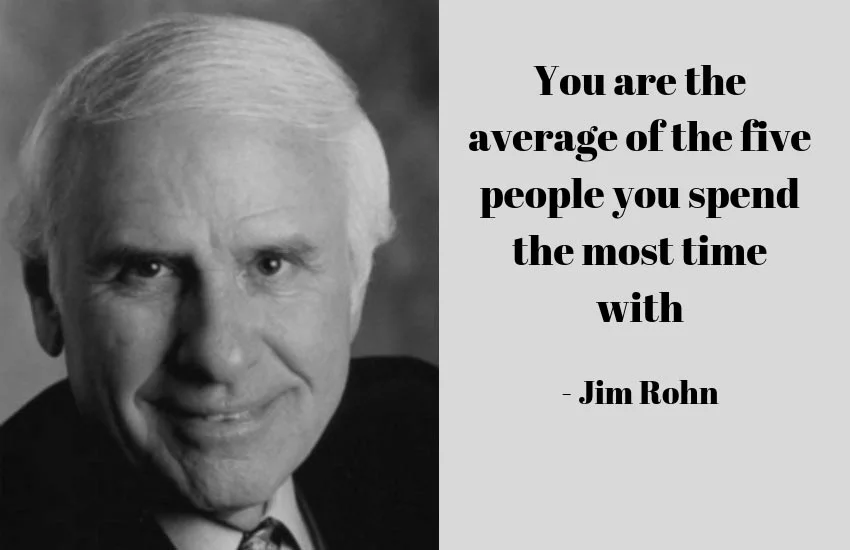
You’ve probably heard the line: you become the average of the five people you spend the most time with. It sounds simple, almost cliché. But it is one of the most practical truths about success and growth.
Those five people quietly shape what feels normal. They influence how you talk about problems, how long you stay with hard things, what level of effort looks reasonable, and whether setbacks feel like temporary data or final verdicts. Over time, their habits, standards, and emotional responses start to feel like your own. That is not mysticism. It is environment.
The toddler already understands this
Watch a toddler learning to walk. They fall. They fall again. They fall a hundred times. And still they get back up.
Why?
Not because they have mastered some advanced mental technique. Not because they have read books on resilience. They keep trying because everywhere they look, people are standing and walking. Upright movement is simply the normal way of being in their world. Every adult and older child around them is living proof that the goal is possible and expected. Falling does not redefine what is normal. The walkers do.
Now imagine the opposite. Suppose a child grew up in an environment where no one stood or walked. Crawling, or some other method, would feel like the standard. Effort toward upright walking would seem strange, maybe even unnecessary. The child would not keep trying the same way, because the surrounding evidence would point somewhere else.
That is exactly how adult life works.
The five people closest to you are constantly broadcasting what is normal. If they treat ambitious effort as ordinary, if they keep moving after setbacks, if growth is simply what people in that circle do, then persistence feels natural. Fear of failure shrinks because failure is just part of the shared pattern you see every day.
If those same five people have largely stopped trying, if they treat big goals as unrealistic or effort as optional, then quitting starts to feel like the reasonable, adult response. Your internal drive is real, but it is heavily shaped by the models in front of you.
This is why the quality of your associations matters so much. You do not rise to the level of your goals. You fall to the level of your environment. The people around you set the baseline for what counts as possible, what counts as enough, and how long it is acceptable to keep trying.
If the current five are not modelling the direction you want to go, you have a clear option: change the people around you. That does not always mean dramatic exits or harsh judgments. Sometimes it means spending less time with certain people and more time with others. Sometimes it means seeking out new circles where the standards match the future you want. The principle remains the same. If you can change the people around you, change the people around you.
Protect the environment that keeps effort looking normal. Surround yourself with people who are still walking. The toddler already knows how powerful that is.