
You meet people on the same level of psychological wound as you

You meet people on the same psychological wound as you. You also leave people if you evolve out of that and they haven’t been able to.

This concept, highlighted by neuroscientist Dr. Tara Swart, explains why we often repeat unhealthy relationship cycles. Instead of seeking what is truly healthy, our brains look for what feels familiar.

How Psychological Wounds Shape Relationships

Familiarity over safety: If your past involved chaos or emotional distance, your nervous system mistakes those painful dynamics for “home”.

Matching stress levels: People unconsciously sense stress hormones and emotional pain in others, drawing matching energies together.

Replaying old stories: We may choose partners who mirror past hurts, hoping to force a different, happier ending to an old story.

What Happens When You Heal

Changing frequencies: As you do the inner work to heal your core self, your tolerance for dysfunction drops.

Natural parting: When you evolve past a certain level of wounding, you naturally pull away from or leave behind people who remain stuck in their pain.

New alignment: A healed emotional state attracts stable, supportive, and emotionally safe connections.

Your Beliefs

A belief is a mental state or acceptance that an idea, thing, or proposition is true, even without absolute proof or direct knowledge. Beliefs act as inner maps that help people make sense of the world, guide everyday choices, and shape personal identity

Your beliefs become your identity. Your beliefs become your prism through which you will see the world and receive information. Your beliefs will filter the information that does not match them.

People often reject facts that conflict with their beliefs because changes feel like a threat to safety and self-image. They grow from repetition, personal background, and lessons from family or society. Deep, firm ideas about oneself, others, and the world are called core beliefs.

Belief

A feeling of certainty that something exists or is true. Nelson Mandela’s belief in equality and justice inspired many people around the world to fight for human rights and strive for a better future.

Faith

Strong trust or confidence in something or someone. Rebecca has a deep faith in the power of kindness.

Conviction

A firmly held belief or opinion. Their shared conviction in the importance of education united them in their efforts to improve schools in their community.

Value

Principles or standards of behaviour. Paul’s strong belief in the value of hard work
and perseverance has always guided his career choices.

Principle

A basic rule or idea that guides how something is done or how someone
behaves. Mark lives by the principle of treating others as he wants to be treated.

Limiting Belief

A limiting belief is a thought, assumption, or conviction that holds you back from reaching your potential, taking action, or achieving what you want.

It acts like an invisible mental barrier. These beliefs are often false, exaggerated, or outdated, yet they feel true and influence decisions, behaviour, and self-image.

Why You’re Really Stuck

Most people think they’re stuck because of their job, money, relationships, or external situation. The real reason is usually simpler: you’re still holding on to something that is already good—but no longer great.

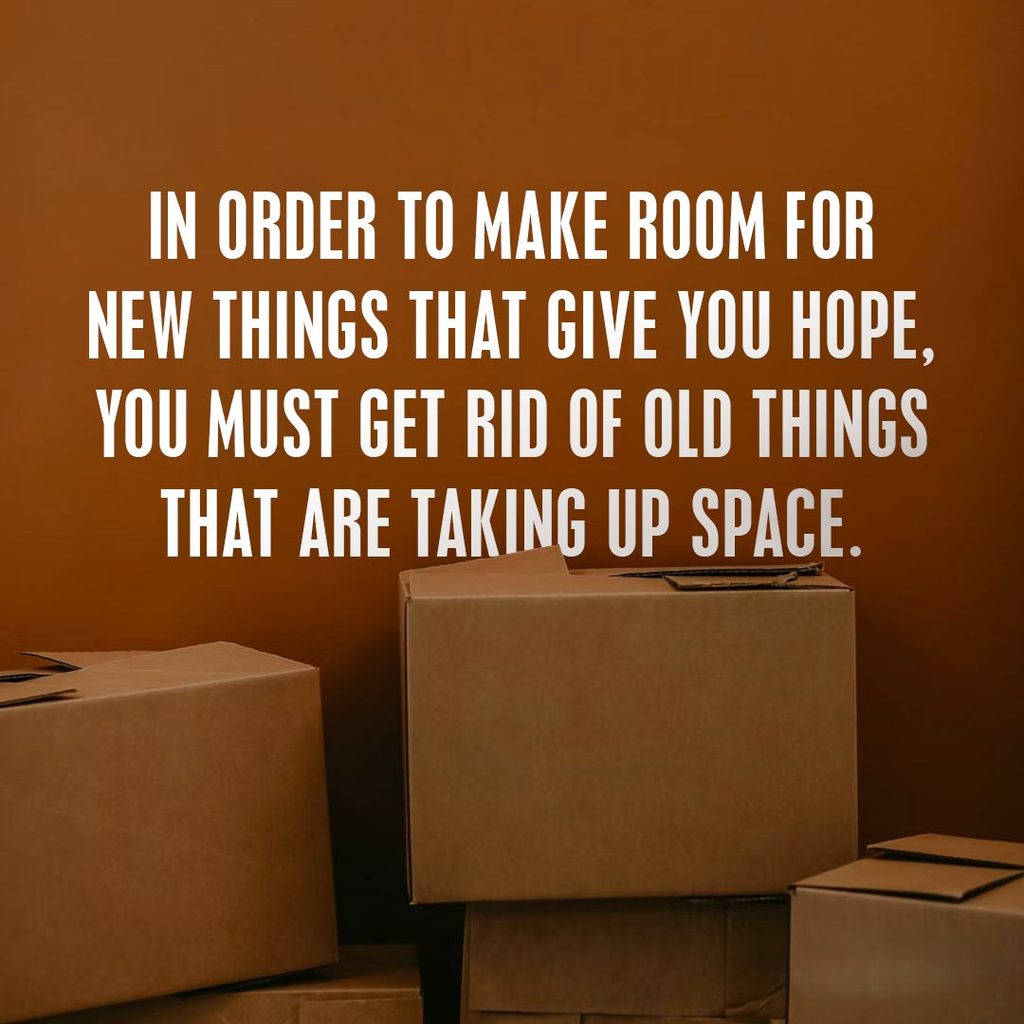
You must let go of something good to get something great.

Growth requires space. Just as a forest needs fire to clear old undergrowth so new life can emerge, you often need to release what’s currently working before something better can arrive. Clinging to the familiar keeps the next level from entering.

This idea appears throughout success literature—from Napoleon Hill’s “in every adversity is the seed of a greater benefit”. Even the biblical story of Job shows that greater abundance returned only after complete surrender and release of attachment. After losing everything, Job surrendered without attachment to a specific outcome. Only then did he receive back far more than he had before.

The practical takeaway is clear: if your life feels stalled despite hard work, the blockage is rarely external. It’s the grip you still have on what is already there. Let it go, create the void, and make room for what’s next.

You’re not stuck because of circumstances. You’re stuck because you’re still holding on to what’s already there. Release it, create the space, and better things can arrive.

Your life is your story

Your life is your story. No one else gets to write it. No one else gets to define it.

Every choice you make, every risk you take, every dream you chase- it’s yours. People will doubt you, judge you, misunderstand you, but it doesn’t matter. This is your journey, your fight, your legacy. Own it.

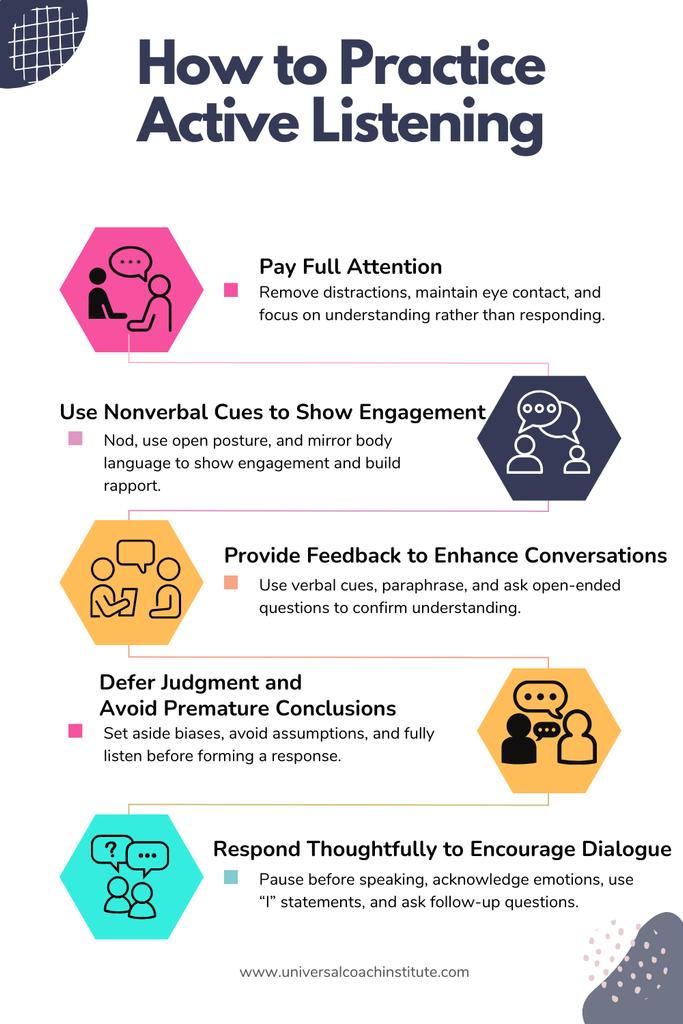
Why Does Active Listening Usually Fail?

Stephen Covey (in The 7 Habits of Highly Effective People) correctly identified that most people listen “autobiographically” — they evaluate, advise, probe, or interpret from their own perspective instead of truly understanding the other person. He described a better approach (“empathic listening”/reflecting both content + feeling), but he couldn’t fully explain why it works or why people fail at it under pressure.

Douglas Noll explains the missing piece using neuroscience:

  • Simply naming the other person’s emotion (“You feel frustrated…”) — a technique called affect labelling — calms their nervous system.
  • It increases activity in the brain’s regulation centres and decreases activity in the threat centre (amygdala).
  • This creates what Covey called “psychological air” — the person feels heard and can finally think clearly.

Why Most People Still Fail

Even when people know the technique, it collapses the moment the conversation gets tense, because the listener’s own nervous system activates. They start:

  • Making statements sound like questions
  • Adding explanations (“because…”)
  • Jumping to solutions too early

Their attention turns inward to protect themselves instead of staying focused on the other person.

The Real Solution

True empathic listening is not just a technique — it is a trainable neurological skill. Noll has spent 25 years teaching it in high-stakes environments (boardrooms, courtrooms, and maximum-security prisons, where he trained over 3,000 inmates as mediators). The skill can be developed so that staying present and naming emotions becomes automatic, even under pressure.

Bottom Line

Stop relying on classic active-listening scripts. Learn to accurately name emotions and stay silent long enough for the other person’s nervous system to settle. That is what actually de-escalates conflict and opens the door to real conversation.

Decoding Entry into the Circle of Power and Wealth

The biggest mistake most people make is thinking that once they become rich, they’ll enter the circle of the powerful and wealthy. But the reality is exactly the opposite.

First you enter that circle, and then you see opportunities that others don’t even know exist — and those opportunities create wealth for you.

But the real question is: What opens the door to this circle?

Not money. Not degrees. Not fame.

The key to entering this circle is trust.

Influential people evaluate your credibility before they look at your assets. Before doing business with you, they assess the risk of associating with you. They usually ask themselves three questions:

  1. Does this person create value for others?
  2. Can they be counted on in difficult times?
  3. Does having their name next to mine increase or decrease my own credibility?

Those who manage to enter this circle first create value, then build trust, and finally gain access to opportunities that most people never even see.

This is the difference that looks like luck from the outside, but it’s not luck. It’s the result of trust, credibility, and a network built over years.

Decoding the closed circle of the powerful and wealthy can be summarized in one sentence:

Money is not the ticket to entry. Trust, credibility, and the value you create for others open doors that money alone can never open.

Different Versions of You

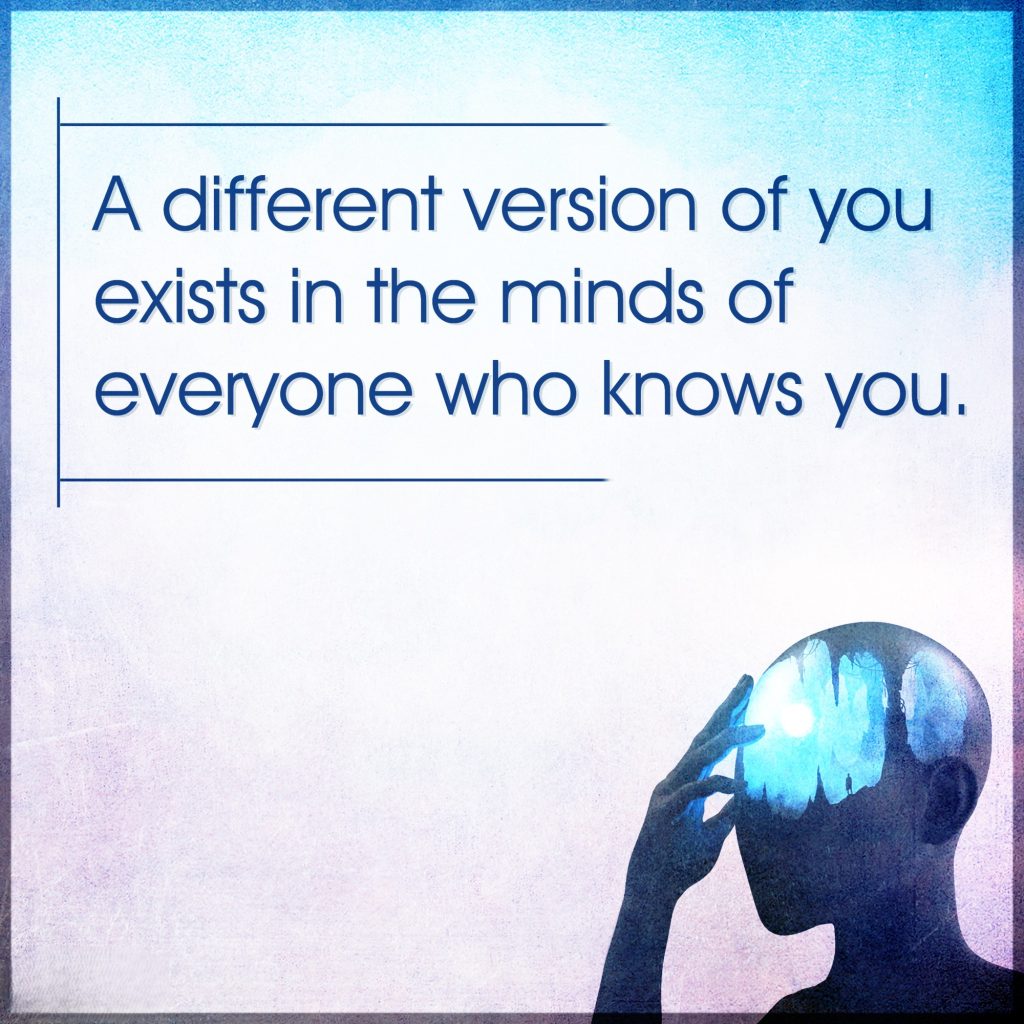
The ironic thing about life is that you are a different person to everyone you meet. To some, you’re quiet. To others, you never stop talking. Some remember you for your kindness, others for the time you walked away. You are a villain in someone’s story, a hero in another’s. And to most, you’re just a passing thought. A name they once knew.

You don’t exist as one person, but as countless versions of yourself, shaped by fleeting moments and personal perceptions. And here’s what’s unsettling. You will never truly know yourself the way others do. You will never hear your own laughter the way someone else does. You will never see the way your absence lingers in a room you used to fill. To yourself, you are just you.

But in reality, you are a thousand different stories, none of which you will ever get to read.

Who You Turn To?

When people are happy, they frequently seek out those they are attracted to, excited about, or want to share joy with (the person they “love” or desire). Happiness is expansive and outward-facing for many.

When people are sad, hurt, or vulnerable, they more often turn to people who feel safe, reliable, and unconditionally supportive (the person who loves them). Comfort, acceptance, and low judgment matter more than excitement in those moments.

This pattern shows up in everyday experience and lines up with basic attachment and emotional-regulation ideas: we seek different things from different relationships depending on our emotional state

Powerful Coaching Questions: Disrupt Your Routine Thinking

What would you do if failure was impossible?

  • What would you do if failure was impossible?
  • What do you want to achieve?
  • What obstacles are preventing you from achieving your goal?
  • What is the story you keep telling yourself?
  • What are you holding onto that you need to let go?
  • What is this situation trying to teach you?
  • What is the cost of staying exactly the same?
  • What fears or limiting beliefs are holding you back from achieving your goal?
  • What small thing could you do that would make a difference right now?
  • What new habits or routines do you need to develop to achieve your goal?
  • What are the weaknesses that you need to overcome to achieve your goal?
  • What boundary do you need to set immediately?
  • How are you contributing to the problem?
  • What do you need to forgive yourself for?
  • What are you waiting for?