
September 2026 – Farshad Farahnak. All rights reserved.
You Can’t Avoid the Scratches: Why Trauma Is Part of a Meaningful Life
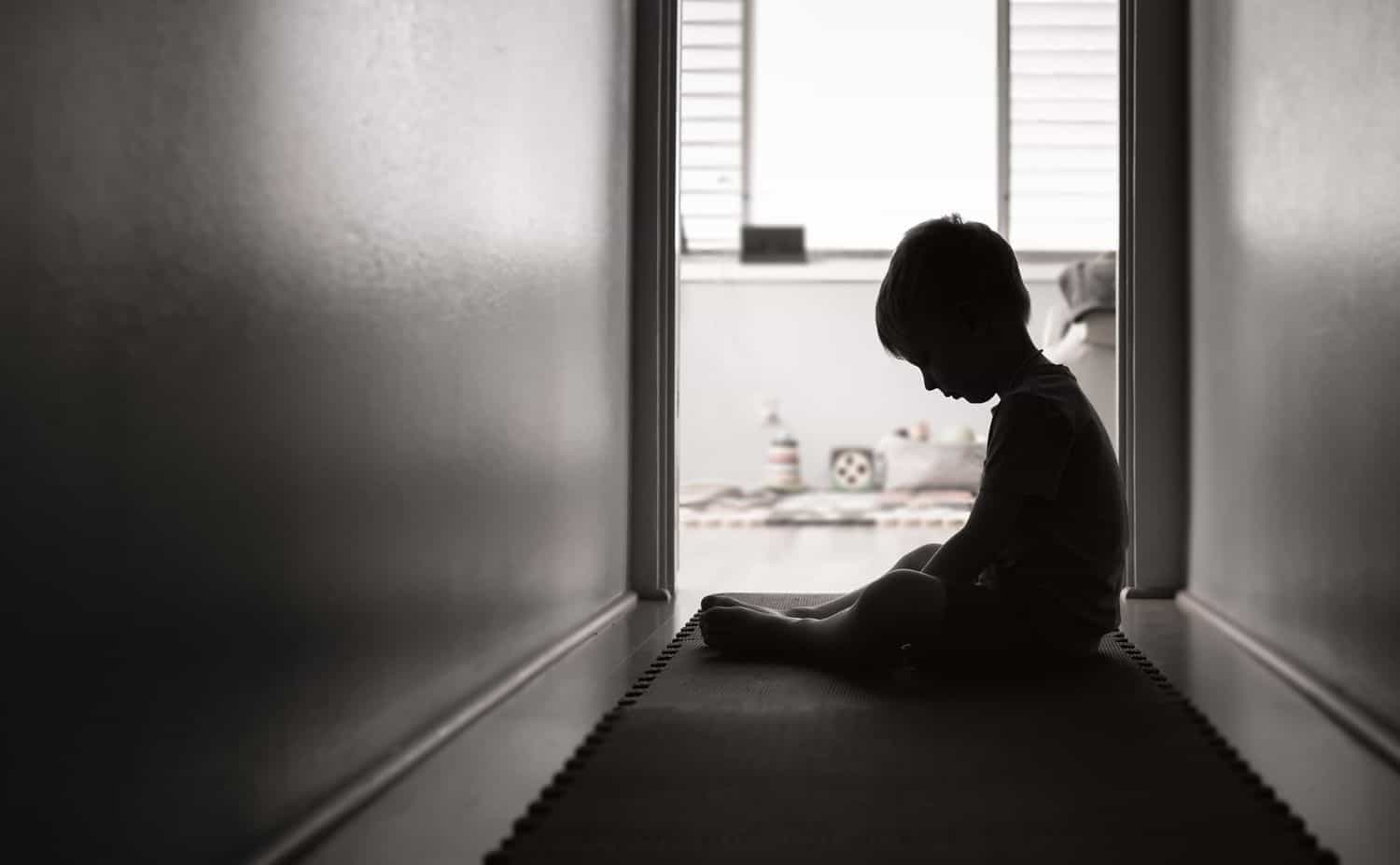
There’s a strong current these days around childhood trauma. We’re told how formative it is, how it shapes us, how important it is to acknowledge, process, and heal from it. All of that has value. Ignoring real wounds doesn’t make them disappear.
But here’s what my own experience and observation keep pointing to: you can’t live a human life without trauma. We are here, in part, for the same reason. Without pain, stress, and the inevitable hard edges of existence, life loses much of its meaning. A life engineered to be perfectly smooth risks becoming empty.
Consider the classic “utopia” experiments with mice, particularly John B. Calhoun’s Universe 25. Researchers created an environment of near-total comfort: unlimited food and water, no predators, no disease, nesting materials, and protection from the usual threats of the wild. The mice had everything they needed for physical survival. At first, the population thrived. Then, over time, things unravelled. Social behaviours broke down. Aggression rose in some, withdrawal and listlessness in others. Maternal care deteriorated. A group of mice Calhoun called “the beautiful ones” spent their days mostly grooming, eating, and sleeping, detached from normal social and reproductive life. Depression-like states and dysfunctional patterns emerged even though every material need was met. The colony eventually collapsed into decline despite the abundance.
Comfort without challenge, purpose, or the friction of real life did not produce flourishing. It produced a kind of behavioural and social disintegration. The absence of necessary struggle did not create paradise; it hollowed things out.
Now think about a more ordinary example: buying a new car. It arrives fresh, unmarked, free of scratches or dents. You drive it. Over the years, accidents happen—some your fault, some someone else’s, some simply the result of being on the road. A few may be minor; others can feel devastating. Sometimes you forgive; sometimes you are forgiven. The body of the car accumulates marks. The same process happens to our bodies, minds, and souls across a lifetime. From childhood onward, life leaves its scratches, scuffs, and deeper bends. We cannot avoid them all the way to the end.
Taking care of the car—regular maintenance, repairs, careful driving—matters enormously. It can keep the vehicle running well and prevent worse damage. Yet no amount of care returns it to brand-new condition if you live with it for decades. The history remains visible. What changes everything is how we respond when the damage occurs.
We can answer a scrape or a collision with road rage: escalating the harm, numbing it with substances, or turning the pain outward or inward in ways that create more wreckage. Or we can choose a different response—repair what can be repaired, learn from the impact, adjust how we drive going forward, and keep moving with greater awareness. The scars stay. The meaning of the journey, and the quality of the life lived inside that vehicle, depends heavily on the reaction.
Trauma is not optional. It is woven into the fabric of being alive. What is optional—and decisive—is how we meet it. The point is not to romanticise suffering or to dismiss the real work of healing. The point is to stop treating the existence of pain itself as the ultimate failure, and to recognise that our responses shape whether those experiences leave us broken or deepen our capacity to live fully.
We are not meant to arrive at the end of the road looking factory-fresh. We are meant to arrive having driven it—scratches and all—with some wisdom about how to handle the next turn.
Remember:
No one is coming to save you.
There is no such thing as a life without problems or pain.
Everything worth having comes with an inherent sacrifice.
Whatever makes you feel good will eventually also make you feel bad.
The only real failure is not trying; the only real rejection is not asking.
You give power to whoever (or whatever) you blame.
Your relationship with others is a direct reflection of your relationship with yourself.
Respect is earned through what you do, not given because you exist.
You will always feel mildly inadequate and somewhat dissatisfied—and that’s normal.
The person you marry is the person you fight with; the house you buy is the house you repair; the life you choose is the life you must maintain.