
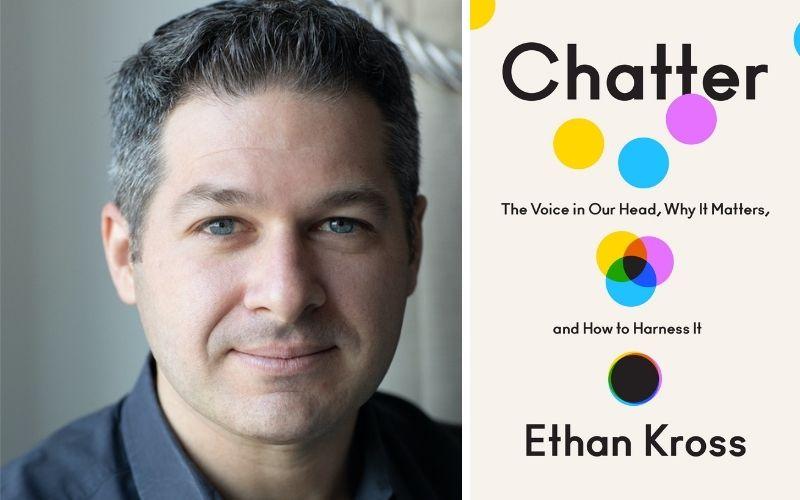
A psychologist named Ethan Kross discovered that the way your inner voice phrases things is quietly determining the outcome of your life. And he called it chatter. And what he found changes how you hear every thought that you’ve ever had.
Most of us treat the voice in our head as neutral background noise. We assume it’s just “thinking” — processing what happened, figuring things out. Research by psychologist Ethan Kross suggests otherwise.
Kross calls the repetitive, negative version of that inner voice chatter. It’s the loop that replays a setback, analyses every detail, and pulls you deeper into the emotion instead of helping you move through it. It feels like problem-solving, but it often keeps you stuck.
His research points to a simple shift that can interrupt the loop and change how the voice speaks. Instead of first-person statements like “I failed. I don’t know what to do. I can’t handle this,” people who referred to themselves by name or in the third person loosened the loop and regained clarity more quickly. For example, using phrases such as “Travis is going through something hard. He’s handled hard things before” tends to reduce emotional intensity.
Kross and colleagues have tested this across multiple studies. The language of the inner voice appears to influence how the nervous system responds to stress. Speaking to yourself the way you might speak to a friend creates a small but useful psychological distance. Same mind, same problem, different language — and often a different outcome.
Most of us spend years learning how to talk to other people. Far fewer of us examine the tone and style of the conversation that runs constantly inside our own heads. That internal dialogue shapes how we experience stress, failure, and resilience more than most external conversations ever will.
The next time the voice starts replaying something on a loop, try a quiet experiment: switch to third person or use your own name. Notice what happens to the intensity.