September 2026 – Farshad Farahnak. All rights reserved.
There was once a man who betrayed his mafia boss. When the boss found out, he simply said:
“Leave. And never let me see you again.”
The man was shocked. He expected death. Confused and terrified, he fled.
He started over in another city. Slowly built a life. Found work. Married. Had children. Fifteen years passed. Life finally felt good.
Then one day the old boss appeared.
“Remember the day you betrayed me? Today is the day of reckoning. I’ve come for your life.”
The man, trembling, asked:
“Why didn’t you kill me that day?”
The boss answered quietly:
“That day you had no wife. No children. No real life to lose.
Today you do.
Today death will hurt far more — because now you understand what you’re leaving behind.”
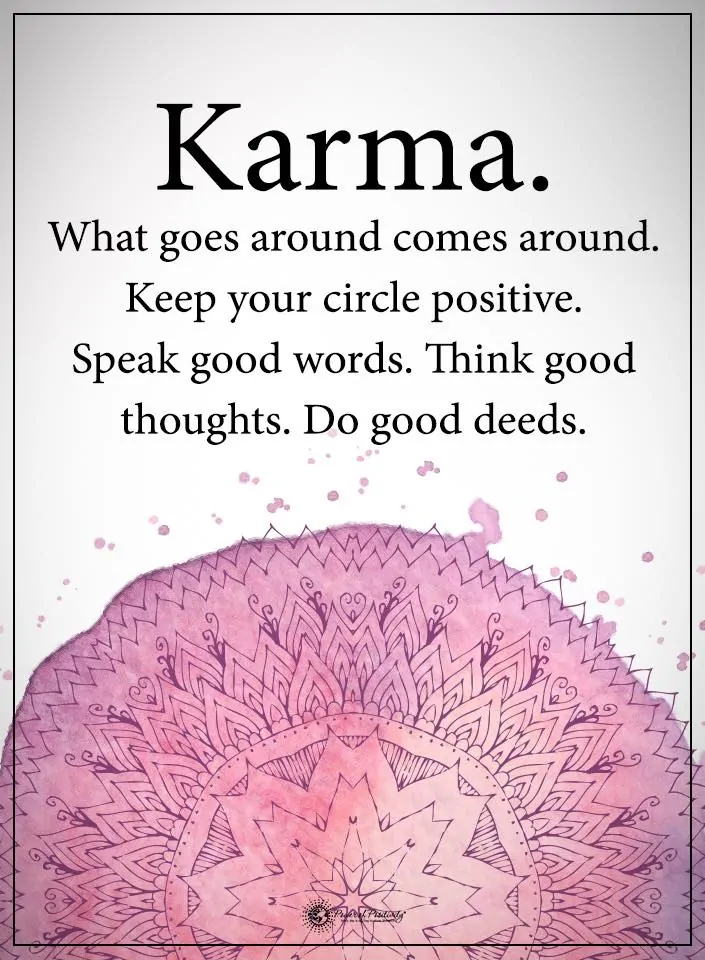
Karma works exactly like this.
Sometimes when you do something wrong, life doesn’t punish you right away. It lets you walk away. You start over. You build a career. You get married. You have children. You create a life full of meaning and responsibility. And for years, it feels like the past is behind you.
But karma is patient.
Years can pass. Then, just when everything finally matters — when you have people you love and a life worth protecting — the bill arrives. And this time it hurts far more, because now you understand exactly what you’re about to lose.
This isn’t just a story about the mafia.
It’s about the lies we tell, the people we betray, the responsibilities we abandon, and the harm we cause when we think no one is watching.
Karma rarely comes when you have nothing to lose.
It comes when you finally have everything… and that’s when the price becomes truly heavy.
So if you still have the chance to make something right today — do it.
Some debts become much more expensive when they’re paid late.
Jordan Peterson said once:
“In all my years as a clinical psychologist — and this is something that really does terrify me — I have never seen anyone ever get away with anything at all, even once.
You know, there’s that old idea that God has a book and keeps track of everything in heaven. Okay, maybe it’s not a book. Fine. But that is a really useful thing to think about… because maybe you disagree. Maybe you think people get away with things all the time. I tell you, I’ve never seen it.
What I see instead is that something happens. Someone twists the fabric of reality and they do it successfully, because it doesn’t snap back at them in that moment. And then two years later something unravels and they get walloped, and they think, ‘Oh my God, that’s so unfair.’
And then we track it. It’s like, ‘But what happened before that?’ This. Well then what? This. And then what? This. And then what? Oh… oh, this. Oh, that’s where it went wrong.
Because you can’t twist the fabric of reality without having it snap back. It doesn’t work that way. And why would it? What are you going to do — twist the fabric of reality? I don’t think so. I think it’s bigger than you.
One of the things that really tempts people is the idea that ‘I can get away with it.’ It’s like… yeah, you try.”
Karma is not only about the wrong you do. It is about every action, thought and feeling you put in — good or bad. So if you do the right thing, one day it will return to you and shape your life in a good way.