
Criticism Is Easy. Contribution Is Rare.

Criticism Is Easy. Contribution Is Rare.

A famous painter once wanted honest feedback on his work. One morning he carried one of his finest paintings into a crowded public square and placed a simple note beneath it:

“If you find any mistake in this painting, mark it with a cross.”

When he returned at the end of the day, his heart sank. The painting was covered in crosses. Almost every detail had been criticised. Discouraged, he took the painting to a close friend and said, “Perhaps I am not as talented as I thought.”

His friend smiled gently. “Do not lose hope. Paint the exact same picture again without changing a single thing. Tomorrow we will try something different.”

The next morning they placed the identical painting in the same square. This time the note read:

“If you find any mistake, please correct it. Brushes and paints are provided.”

When the painter returned that evening, the canvas was untouched. Not one person had lifted a brush.

His friend looked at him and said:

“People are always ready to point out what is wrong, but very few have the knowledge, courage, or ability to make it right. Criticism is easy. Contribution is difficult.

So before you allow someone’s opinion to define your worth, ask yourself one question: Can they offer a better solution, or are they simply pointing at the problem?”


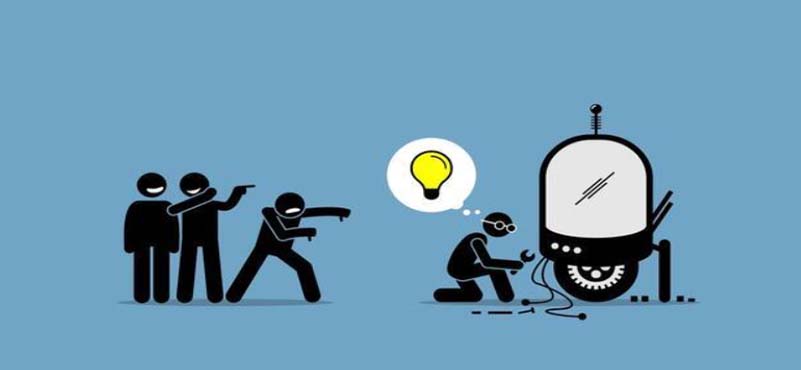
We live in a world overflowing with critics. Comments, reviews, side-eye glances, and casual remarks arrive daily, often from people who have never attempted the work themselves. It is easy to spot a flaw. It costs almost nothing to mark a cross.

But offering a real solution? That requires skill, humility, time, and courage. Most people will never pick up the brush.

The next time someone’s criticism lands heavily on you, pause. Ask the quiet question the painter’s friend taught him. If the person cannot (or will not) offer something better, their opinion does not deserve the power to shrink your confidence or dim your vision.

Protect your creative energy. Keep painting. And when you do offer feedback to others, try to bring the brush—not just the cross.

Because the world already has enough critics.
What it needs more of are people willing to contribute.
You Become the Average of the Five People Around You

August 2026 – Farshad Farahnak. All rights reserved.

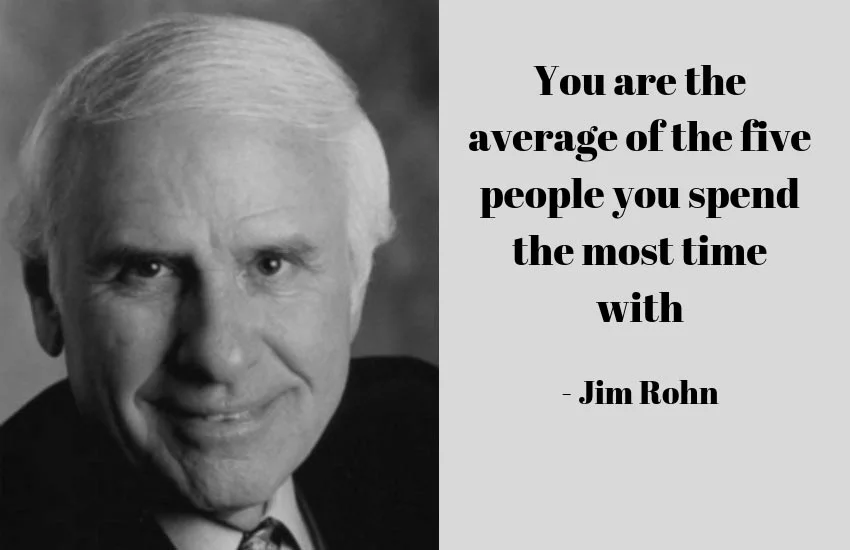
You’ve probably heard the line: you become the average of the five people you spend the most time with. It sounds simple, almost cliché. But it is one of the most practical truths about success and growth.

Those five people quietly shape what feels normal. They influence how you talk about problems, how long you stay with hard things, what level of effort looks reasonable, and whether setbacks feel like temporary data or final verdicts. Over time, their habits, standards, and emotional responses start to feel like your own. That is not mysticism. It is environment.

The toddler already understands this

Watch a toddler learning to walk. They fall. They fall again. They fall a hundred times. And still they get back up.

Why?

Not because they have mastered some advanced mental technique. Not because they have read books on resilience. They keep trying because everywhere they look, people are standing and walking. Upright movement is simply the normal way of being in their world. Every adult and older child around them is living proof that the goal is possible and expected. Falling does not redefine what is normal. The walkers do.

Now imagine the opposite. Suppose a child grew up in an environment where no one stood or walked. Crawling, or some other method, would feel like the standard. Effort toward upright walking would seem strange, maybe even unnecessary. The child would not keep trying the same way, because the surrounding evidence would point somewhere else.

That is exactly how adult life works.

The five people closest to you are constantly broadcasting what is normal. If they treat ambitious effort as ordinary, if they keep moving after setbacks, if growth is simply what people in that circle do, then persistence feels natural. Fear of failure shrinks because failure is just part of the shared pattern you see every day.

If those same five people have largely stopped trying, if they treat big goals as unrealistic or effort as optional, then quitting starts to feel like the reasonable, adult response. Your internal drive is real, but it is heavily shaped by the models in front of you.

This is why the quality of your associations matters so much. You do not rise to the level of your goals. You fall to the level of your environment. The people around you set the baseline for what counts as possible, what counts as enough, and how long it is acceptable to keep trying.

If the current five are not modelling the direction you want to go, you have a clear option: change the people around you. That does not always mean dramatic exits or harsh judgments. Sometimes it means spending less time with certain people and more time with others. Sometimes it means seeking out new circles where the standards match the future you want. The principle remains the same. If you can change the people around you, change the people around you.

Protect the environment that keeps effort looking normal. Surround yourself with people who are still walking. The toddler already knows how powerful that is.