
August 2026 – Farshad Farahnak. All rights reserved.
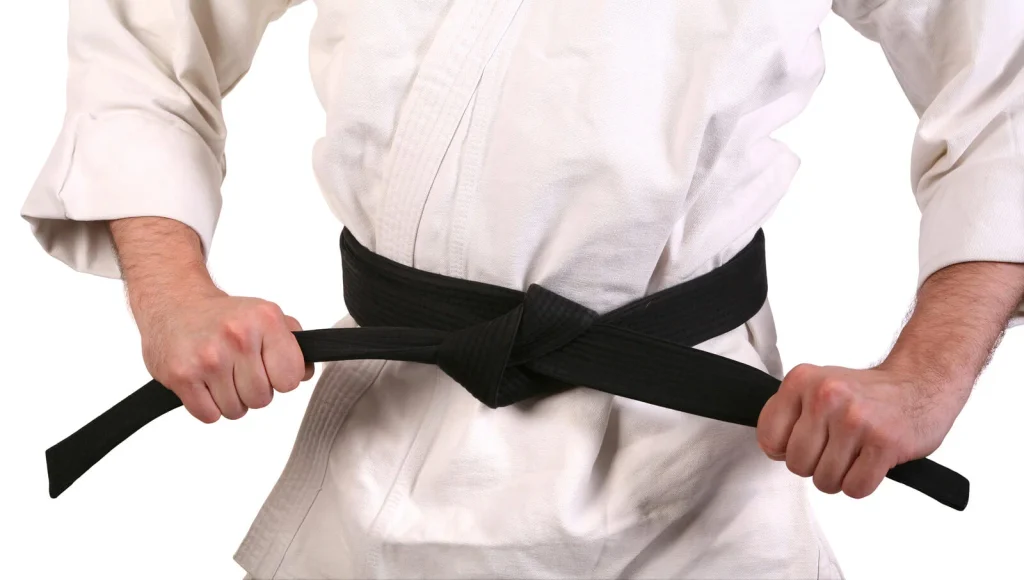
When I started my martial arts journey, I thought the person teaching me already knew everything I needed. I was wrong — and that mistake taught me one of the most valuable lessons of my life.
In the beginning, the grandmaster almost never trained the new students. Higher-ranked students did. They showed us the stances, the punches, the kicks, and the basic techniques. We practised hard. Those techniques worked. They worked against other beginners. They worked against people who had no experience. For a while, I believed I was learning the real thing.
Then, slowly, I started training more directly with the grandmaster. Suddenly the same techniques looked different. Small details appeared that no one had shown me before. Tiny adjustments in timing, structure, and body movement changed everything.
One clear example was punching. At first I was taught to punch mostly with my arm. It felt strong. It worked on people at my level. Later I learned the truth: power does not come from the arm alone. It comes from the rotation of the whole body, the transfer of weight, and the coordinated movement of the hand. The earlier version was incomplete. It was good enough for beginners. It failed against black belts and in real competition.
That experience stayed with me.
Here is the simple rule I learned:
Learn from people who have already walked the same path and reached the goal you want.
They know what actually works when it matters. They have already faced the problems you will face. They understand the difference between something that “works in the beginning” and something that still works under pressure.
But there is an important reality: when you are a complete beginner, you usually cannot reach those people yet. You start with intermediates — higher students, junior colleagues, online teachers who are only a few steps ahead. That is normal. Just remember that what they teach you is often incomplete. It is a useful starting point, not the final version.
This is not only true in martial arts. It is true in almost every area of life.
When you start a business, early advice from other early-stage founders or general coaches can get you moving. Many of those methods work when the stakes are low. Later, you discover that the people who have actually built and scaled successful companies use different approaches. They see risks and opportunities the intermediates miss.
When you learn a professional skill — programming, sales, design, writing, public speaking — or when you build a business, the same pattern appears. You often begin with tutorials, colleagues, or mentors who are only a few steps ahead of you. Their methods can help you grow. They may even help you build a business to £100,000 a year. At that stage, the advice works.
But if you want to go further — to £1,000,000 and beyond — the rules change. The skills that got you to the first level are no longer enough. The challenges become different. The decisions become more complex. You need new knowledge and a different level of guidance. You need people who have already built businesses at that larger scale — the “grandmasters” of that stage.
And when you pass the next milestone, you will need yet another level of insight. The person who helped you reach £1,000,000 may not be the right guide for the next leap. You will need to find the next grandmaster.
Growth is not about finding one perfect mentor and staying with them forever. It is about matching the level of the teacher to the level of the goal you are currently chasing — and being willing to move on when you outgrow what they can give you.
So here is the practical takeaway:
Be grateful for every mentor who helps you start.
Respect the foundation they give you.
But do not stop there.
Keep looking for people who have already reached the specific goal you are aiming for at each stage of your journey. Learn from them. Be ready to refine, correct, and sometimes completely rebuild what you learned before.
The path is not a straight line from zero to mastery. It is a series of better and better versions of the truth — and a series of better and better guides.
Start where you are. Learn from whoever is available. And never stop seeking the people who have already arrived where you want to go next.
That is how real growth happens — in martial arts, in business, and in life.