
An ancient text written nearly 2,000 years ago described exactly how the mind constructs reality. And the strangest part is, it wasn’t wrong.
The text is called the Corpus Hermeticum, written between the 1st and 3rd centuries AD and attributed to a mythical figure called Hermes Trismegistus, said to hold a hidden knowledge of both the visible and the invisible world. For centuries, it was dismissed as ancient mysticism.
Then modern neuroscience started describing reality in ways that the Hermetic texts had already outlined.
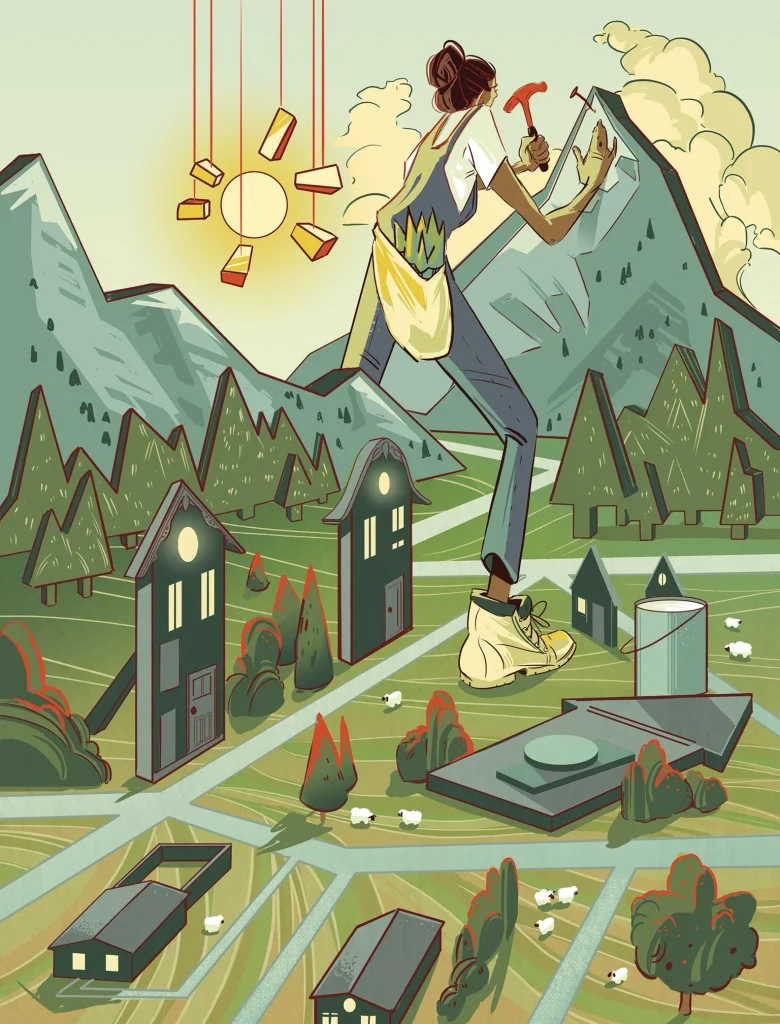
Here’s the core idea: the mind doesn’t passively receive reality—it participates in it, constructs it. What you experience as the world isn’t the world as it is; it’s the world filtered through everything you’ve been taught to see: every belief formed early, every conclusion drawn before you had the tools to question it.
Modern science calls this predictive coding. The brain generates a prediction of what it expects to find and filters reality through that prediction. You don’t see what’s there—you see what your mind expected to find.
A similar principle appears in Neuro-Linguistic Programming. NLP observes that we do not experience reality directly; we experience our internal maps of it — maps built from language, belief, and past filtering. Change the map, and the experience of the territory changes.
Two thousand years ago, the Hermetic tradition called this the veil.
But here’s what the Corpus Hermeticum did that most ancient texts didn’t: it didn’t treat the veil as a prison—it treated it as an invitation. If the mind participates in constructing what you experience, then refining the mind changes what becomes visible to you. Not by changing the world, but by changing the lens.
The Hermetic tradition calls this the Great Work.
Most people never examine the lens. They spend their entire lives looking through it, calling what they see the truth.
Which leaves one question worth sitting with tonight: If reality is partly constructed by a mind that was shaped before you were old enough to shape it yourself, how much of what you call the world is actually the world—and how much is just the lens looking at itself?