
August 2026 – Farshad Farahnak. All rights reserved.
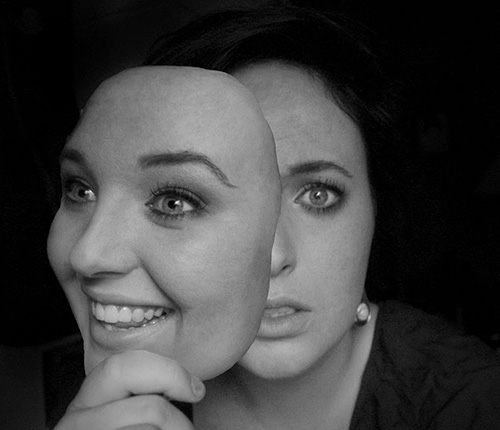
When you first meet someone, you see them from a distance. That view is selective, incomplete, and usually flattering. Driven by attraction, the mind fills the missing gaps with optimistic assumptions, highlighting charm and strengths while leaving flaws soft or invisible.
As a relationship deepens—especially when moving in together—that distance vanishes. You transition from a wide lens to a magnifying glass, observing the other person’s daily patterns, stress responses, and unpolished habits up close.
It is like viewing a mountain from afar: from a distance, the peak looks smooth and majestic. But as you draw near and begin to climb, the terrain changes. You encounter hidden rocks, steep inclines, and rough surfaces that were invisible from the valley floor.
At the same time, the social masks come off. Outside the home, maintaining a managed, pleasant persona takes energy. At home, the incentive to perform drops, and it becomes too costly to sustain the ideal self day after day. What emerges is each person’s default operating system: unfiltered moods, default reactions, and raw approaches to frustration or boredom. Because both partners drop their guard simultaneously, the contrast with the early, curated phase can feel jarring.
Crucially, the qualities that initially drew you in can begin to work against you. A protective personality starts to feel overbearing; inspiring standards turn into frequent criticism; refreshing independence feels like emotional distance. The traits haven’t changed, but their daily impact on you has.
Here, frequency becomes decisive. A minor irritation experienced occasionally is manageable. That same behaviour, repeated daily, becomes a steady friction point that the mind registers as a new, frustrating reality. It is like rubbing a cloth against your skin: while pleasant at first, constant repetition over time will eventually cause irritation. Once that skin is raw, even a gentle touch can trigger a sharp, painful reaction.
This dynamic isn’t unique to romance—it unfolds among business partners, close collaborators, and anyone sharing high-interdependence spaces.
Ultimately, relationships rarely become harder because someone suddenly changed. They change because the filters came down, the full picture emerged, and managing that reality requires far more effort than enjoying the initial view. The couples who thrive are simply the ones who recognise this shift and actively learn to navigate the terrain once the masks are gone.
Navigating the Shift in Your Relationship? Recognising that the terrain has changed is the first step. If you and your partner are feeling the friction of the “unmasked” phase and want to build a smoother way forward together, let’s talk.