Setting effective goals and actually achieving them — have you ever done it?
For many neurotypical people, setting goals feels relatively straightforward. They map out a plan, create milestones, and move forward step by step.
But your ADHD brain doesn’t love the vibe of linear (aka boring) progression. It craves excitement, stimulation, and rewards. On top of that, executive function challenges and working memory struggles can make it hard to even remember the goal — let alone track progress over time.
Achieving goals takes patience, intention, honesty, and persistence. It’s no surprise that a neurospicy brain often resists the process.
This is exactly where reflection becomes powerful. Reflection strengthens several essential “self” skills:
- Self-reflection
- Self-awareness
- Self-esteem
- Self-confidence
Let’s explore why goal achievement is so hard with ADHD — and how reflection can change the game.
Why People with ADHD Struggle to Achieve Goals
Executive function challenges
ADHD brains often deal with impulsivity, time-blindness, inconsistent motivation, follow-through issues, and task paralysis. These make both setting and sticking to goals significantly harder.
Difficulty getting specific
To achieve a goal, you need clear steps. Many people with ADHD excel at seeing the big picture but struggle to break it into smaller, manageable pieces.
A large goal can feel abstract or overwhelming when there’s no clear path forward. Without those smaller stepping-stone tasks, the goal starts to look like one insurmountable mountain.
Motivation and novelty-seeking
Like a magpie drawn to shiny objects, the ADHD brain thrives on novelty, immediate rewards, and dopamine. Long-term goals are often boring in comparison, so it’s easy to abandon them for something more stimulating.
Focus and prioritisation
Many people with ADHD find it hard to prioritise. You may burn out trying to do everything at once, constantly switching tasks and spreading yourself too thin.
How Reflection Supports Personal Growth with ADHD
You’ve probably seen the quote:
“My brain is like an internet browser. I have 17 tabs open, 3 of them are frozen, and I have no idea where the music is coming from.”
Reflection can be the system reboot your brain needs. It creates space to close unnecessary tabs, notice what’s actually working, and open new ones with more intention.
Reflection helps your ADHD brain:
- Recognize behavior patterns that keep derailing your goals
- Identify your specific procrastination or paralysis triggers
- Handle emotional responses (frustration, overwhelm, shame) that stop progress
- Pause, assess, and reframe so you can take meaningful action instead of spiraling
What Happens When You Skip Reflection?
Without regular reflection, it’s easy to:
- Repeat the same unhelpful patterns
- Feel stuck because you never notice or celebrate progress
- Resent a goal that no longer fits your life or energy
- Lose self-trust because there’s no real accountability
Reflection creates the space your busy ADHD brain needs to gain clarity on what works and what doesn’t.
Why Reflection Matters for ADHD
Self-awareness
Working with your ADHD brain starts with understanding how it actually operates. Reflection helps you spot both your strengths and your challenges so you can design strategies that fit you.
Self-esteem and self-trust
Every time you follow through on something you said you’d do, you build evidence that you can trust yourself. Reflection shifts the focus from perfection to progress. Failures become information instead of proof that you’re “broken.”
Celebrating small wins keeps motivation alive and protects you from the all-or-nothing thinking that so often kills goals.
Using Reflection to Get What You Actually Want
Reflection doesn’t just help you learn from setbacks — it helps you stay connected to your why.
The ADHD brain responds to high stakes and meaningful goals. If you’re not truly invested, consistency becomes nearly impossible.
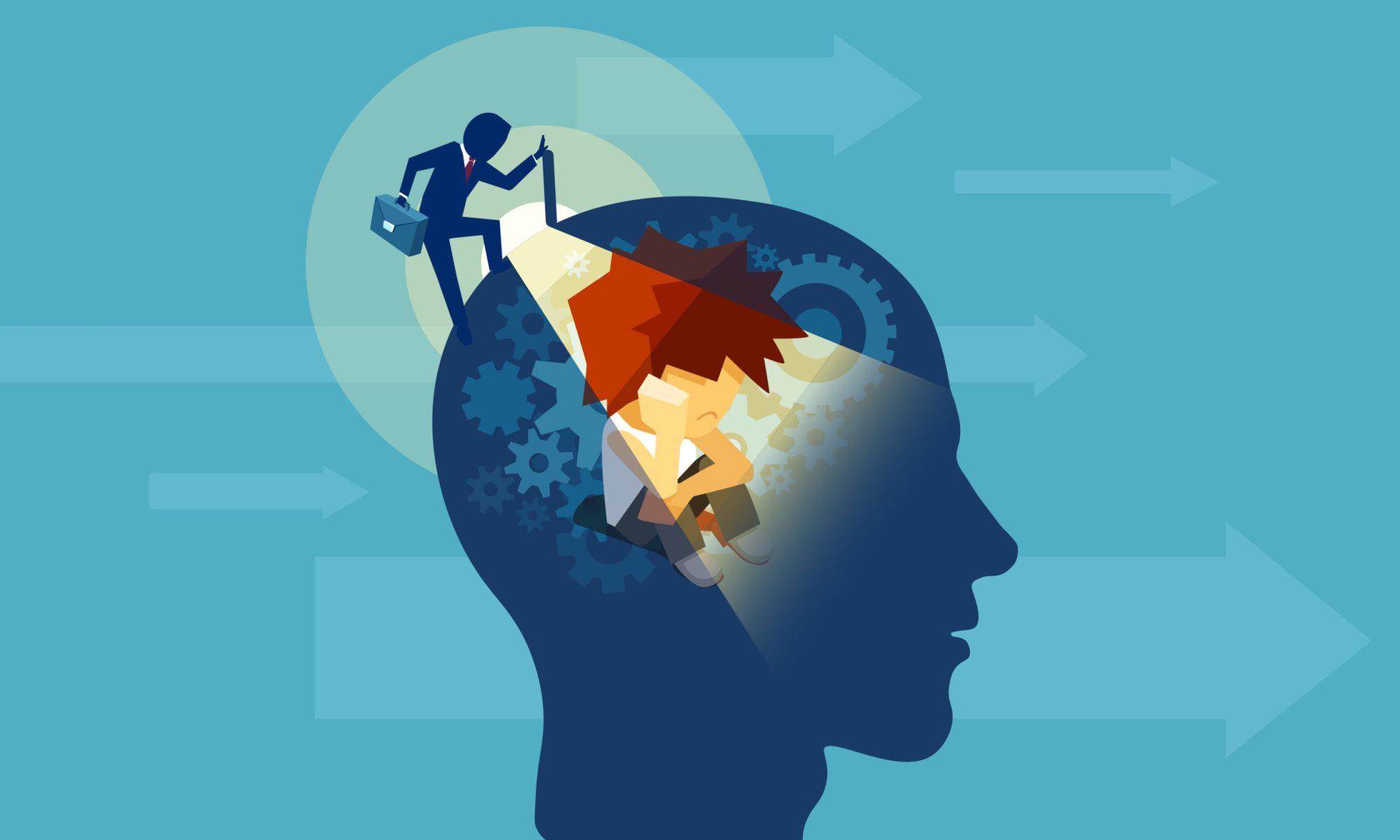
Reflection shines a light on:
- The deeper meaning behind your motivation
- Whether your goals still align with your values
- How much energy and time you realistically have
- When it’s time to pivot
- The connection between your thoughts, actions, and results
Looking honestly at your progress (or lack of it) allows you to adjust your approach, celebrate milestones, and create coping strategies that work with your impulsivity and overwhelm rather than against them.
You Don’t Have to Reflect Alone
Reflection is a skill — like a muscle you can strengthen over time. You don’t have to build it by yourself.
An ADHD coach can be a powerful partner in this process. Coaching helps you develop personalised systems, reflection practices, and the accountability that makes it easier to stay the course.
At Reflection Mastery, we help you stop fighting your brain and start working with it — so goals stop feeling like mountains and start feeling achievable.