
Why You’re Really Stuck

Most people think they’re stuck because of their job, money, relationships, or external situation. The real reason is usually simpler: you’re still holding on to something that is already good—but no longer great.

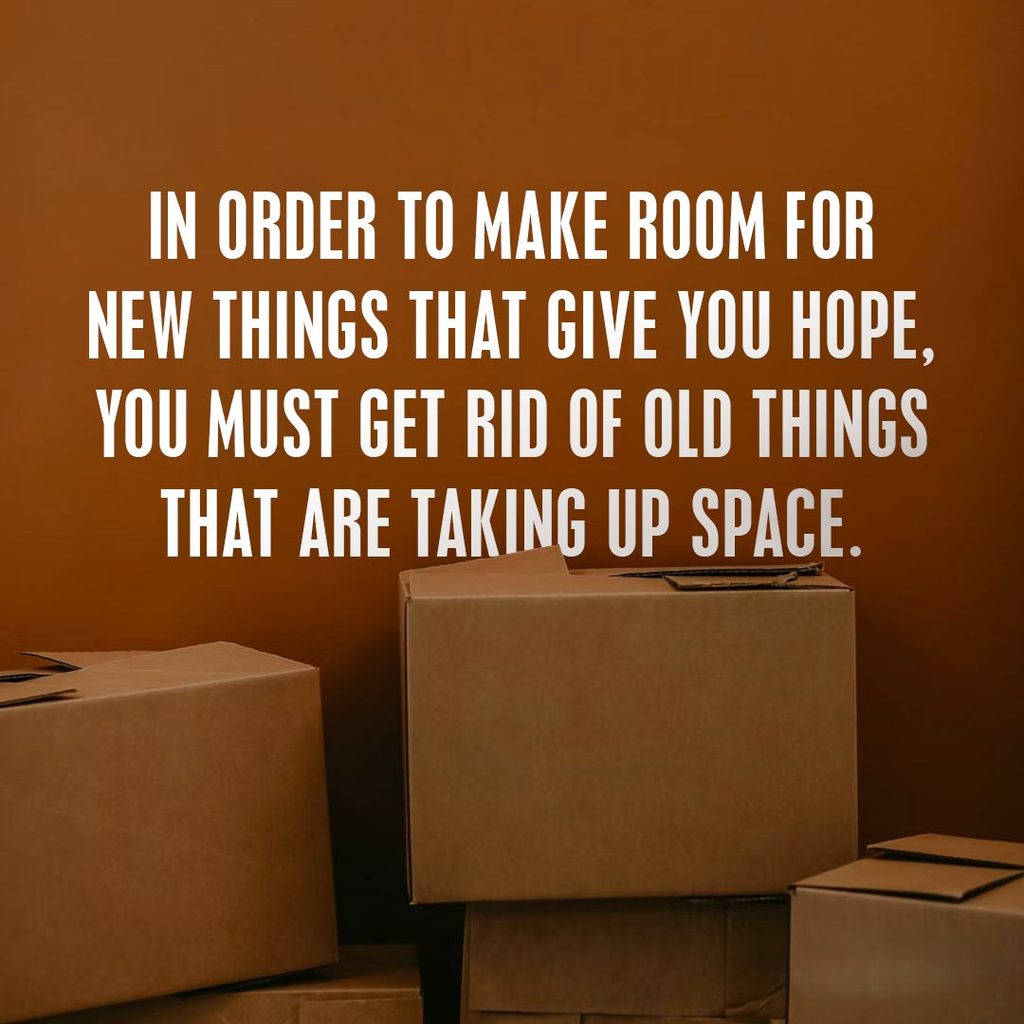
You must let go of something good to get something great.

Growth requires space. Just as a forest needs fire to clear old undergrowth so new life can emerge, you often need to release what’s currently working before something better can arrive. Clinging to the familiar keeps the next level from entering.

This idea appears throughout success literature—from Napoleon Hill’s “in every adversity is the seed of a greater benefit”. Even the biblical story of Job shows that greater abundance returned only after complete surrender and release of attachment. After losing everything, Job surrendered without attachment to a specific outcome. Only then did he receive back far more than he had before.

The practical takeaway is clear: if your life feels stalled despite hard work, the blockage is rarely external. It’s the grip you still have on what is already there. Let it go, create the void, and make room for what’s next.

You’re not stuck because of circumstances. You’re stuck because you’re still holding on to what’s already there. Release it, create the space, and better things can arrive.
Different Versions of You

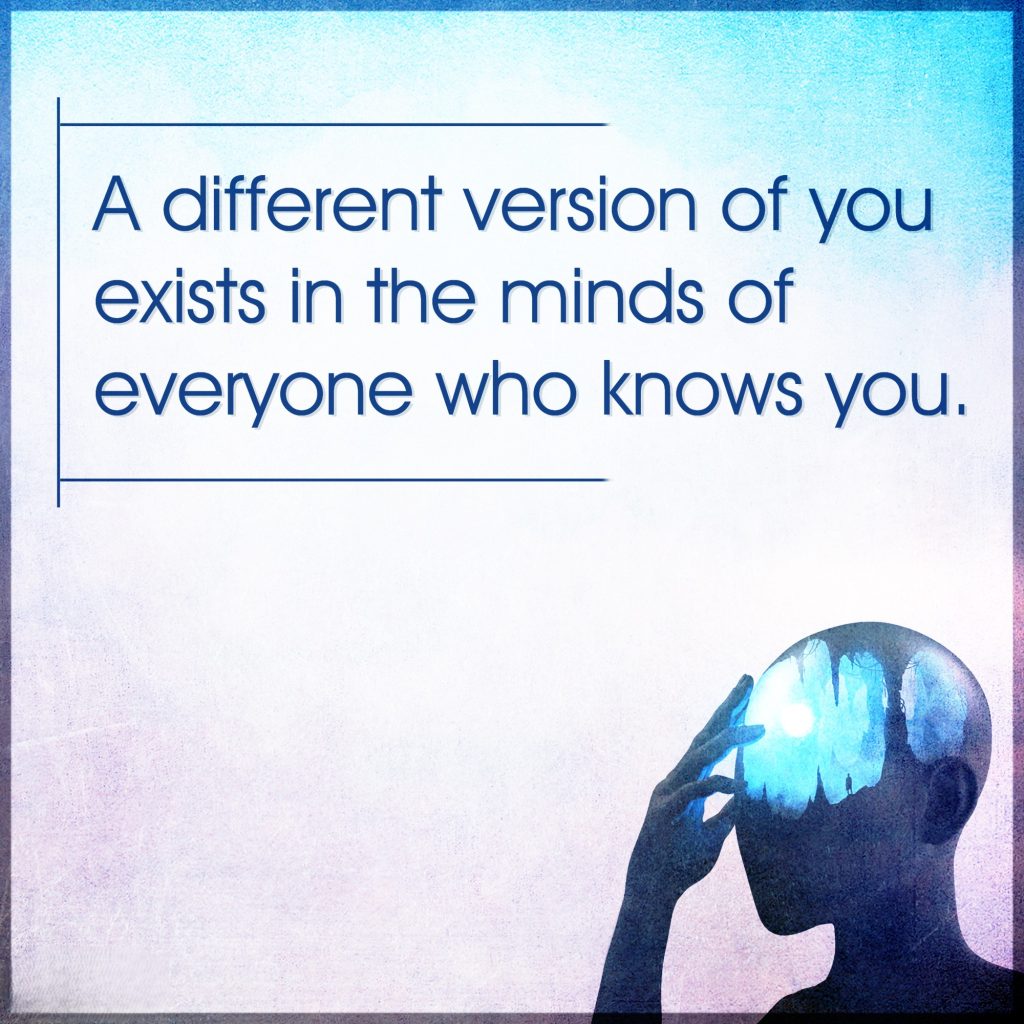
The ironic thing about life is that you are a different person to everyone you meet. To some, you’re quiet. To others, you never stop talking. Some remember you for your kindness, others for the time you walked away. You are a villain in someone’s story, a hero in another’s. And to most, you’re just a passing thought. A name they once knew.

You don’t exist as one person, but as countless versions of yourself, shaped by fleeting moments and personal perceptions. And here’s what’s unsettling. You will never truly know yourself the way others do. You will never hear your own laughter the way someone else does. You will never see the way your absence lingers in a room you used to fill. To yourself, you are just you.

But in reality, you are a thousand different stories, none of which you will ever get to read.

Who You Turn To?

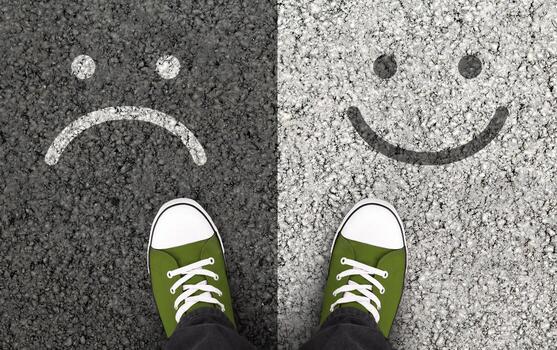
When people are happy, they frequently seek out those they are attracted to, excited about, or want to share joy with (the person they “love” or desire). Happiness is expansive and outward-facing for many.

When people are sad, hurt, or vulnerable, they more often turn to people who feel safe, reliable, and unconditionally supportive (the person who loves them). Comfort, acceptance, and low judgment matter more than excitement in those moments.

This pattern shows up in everyday experience and lines up with basic attachment and emotional-regulation ideas: we seek different things from different relationships depending on our emotional state

How to Raise Strong Children

Overprotecting a child is not a good idea. You should not overprotect or even protect your kids in an emergency.

No matter what you do, the snake will come to the garden. Instead of trying to keep the damn snakes away, what you do is you arm your child with something that can help them chop the snakes into pieces and make the world out of them.