
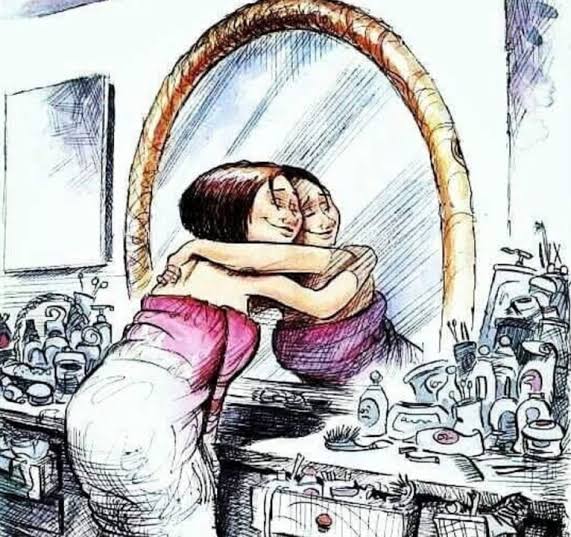
The Longest Relationship You’ll Ever Have

We have a relationship with ourselves longer than we do with anyone else.

It’s easy to forget that. We pour loyalty, compassion, and belief into the people we love — partners, friends, family, colleagues — and often leave ourselves with the leftovers. The critical voice. The impossible standards. The quiet withdrawal of kindness when we need it most.

Yet as the saying attributed to the Buddha reminds us:

“You yourself, as much as anybody in the entire universe, deserve your love and affection.”

This isn’t about bubble baths and positive affirmations (though those can be lovely). It’s about something quieter and more foundational: the way we speak to ourselves, the stories we carry about who we are, and the identity we either claim or outsource.

In my coaching work, and in my own life, the same themes keep returning — identity, self-trust, and the quiet courage it takes to become the person we are here to be. Not the version that keeps everyone comfortable. Not the one shaped by other people’s expectations. The one that feels true.

So I want to invite you to notice.

Notice the moments when you speak to yourself with kindness.
Notice the moments when you don’t.

These aren’t random. They reveal the quality of the relationship you have with yourself — and that relationship shapes everything else.

Here are three questions worth sitting with:

1. If you treated yourself with the same loyalty, compassion, and belief you offer your closest friend, what would change first?

Most of us already know how to show up for the people we love. The harder (and more transformative) work is turning that same steadiness inward.

2. What part of your identity have you been outsourcing to other people’s opinions, approval, or attention — and what would it look like to reclaim it?

This one often stings. We give away pieces of ourselves without realising it — our sense of worth, our direction, even our voice — until we barely recognise the person looking back at us.

3. When you strip away roles, expectations, and the version of you others are used to, who are you becoming — and what does that version of you need from you right now?

This is the quiet work of becoming. Not overnight reinvention. Just honest, consistent returning to yourself.

Reconnect to who you are and what you need. And if no one else buys you flowers, buy yourself some.

I’m currently creating a group programme for anyone who wants to explore this more deeply — a space to strengthen the relationship they have with themselves, reconnect with their inner voice, and step into a more aligned, more authentic version of who they are. Not because they “should,” but because something inside them is asking for it.

In the meantime, support is available in smaller ways:

  • 1:1 coaching
  • Group and corporate workshops

Wherever you are in this process, start simply.

One thing at a time.
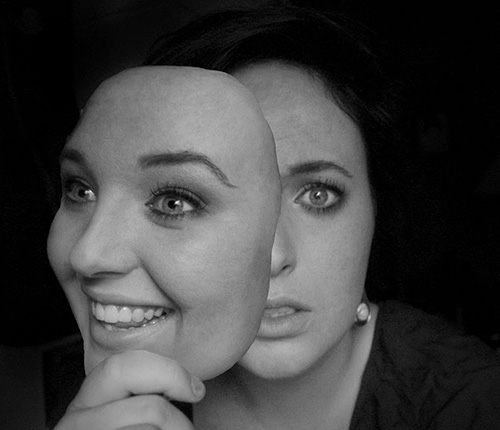
Why Relationships Get Harder Over Time and Why That’s Normal

August 2026 – Farshad Farahnak. All rights reserved.

When you first meet someone, you see them from a distance. That view is selective, incomplete, and usually flattering. Driven by attraction, the mind fills the missing gaps with optimistic assumptions, highlighting charm and strengths while leaving flaws soft or invisible.

As a relationship deepens—especially when moving in together—that distance vanishes. You transition from a wide lens to a magnifying glass, observing the other person’s daily patterns, stress responses, and unpolished habits up close.

It is like viewing a mountain from afar: from a distance, the peak looks smooth and majestic. But as you draw near and begin to climb, the terrain changes. You encounter hidden rocks, steep inclines, and rough surfaces that were invisible from the valley floor.

At the same time, the social masks come off. Outside the home, maintaining a managed, pleasant persona takes energy. At home, the incentive to perform drops, and it becomes too costly to sustain the ideal self day after day. What emerges is each person’s default operating system: unfiltered moods, default reactions, and raw approaches to frustration or boredom. Because both partners drop their guard simultaneously, the contrast with the early, curated phase can feel jarring.

Crucially, the qualities that initially drew you in can begin to work against you. A protective personality starts to feel overbearing; inspiring standards turn into frequent criticism; refreshing independence feels like emotional distance. The traits haven’t changed, but their daily impact on you has.

Here, frequency becomes decisive. A minor irritation experienced occasionally is manageable. That same behaviour, repeated daily, becomes a steady friction point that the mind registers as a new, frustrating reality. It is like rubbing a cloth against your skin: while pleasant at first, constant repetition over time will eventually cause irritation. Once that skin is raw, even a gentle touch can trigger a sharp, painful reaction.

This dynamic isn’t unique to romance—it unfolds among business partners, close collaborators, and anyone sharing high-interdependence spaces.

Ultimately, relationships rarely become harder because someone suddenly changed. They change because the filters came down, the full picture emerged, and managing that reality requires far more effort than enjoying the initial view. The couples who thrive are simply the ones who recognise this shift and actively learn to navigate the terrain once the masks are gone.

Navigating the Shift in Your Relationship? Recognising that the terrain has changed is the first step. If you and your partner are feeling the friction of the “unmasked” phase and want to build a smoother way forward together, let’s talk.

You meet people on the same level of psychological wound as you

You meet people on the same psychological wound as you. You also leave people if you evolve out of that and they haven’t been able to.

This concept, highlighted by neuroscientist Dr. Tara Swart, explains why we often repeat unhealthy relationship cycles. Instead of seeking what is truly healthy, our brains look for what feels familiar.

How Psychological Wounds Shape Relationships

Familiarity over safety: If your past involved chaos or emotional distance, your nervous system mistakes those painful dynamics for “home”.

Matching stress levels: People unconsciously sense stress hormones and emotional pain in others, drawing matching energies together.

Replaying old stories: We may choose partners who mirror past hurts, hoping to force a different, happier ending to an old story.

What Happens When You Heal

Changing frequencies: As you do the inner work to heal your core self, your tolerance for dysfunction drops.

Natural parting: When you evolve past a certain level of wounding, you naturally pull away from or leave behind people who remain stuck in their pain.

New alignment: A healed emotional state attracts stable, supportive, and emotionally safe connections.